My Botanical Pharmacopoeia

Herbs have been a mainstay in my clinical practice for several decades now. I grew herbs in my garden, created tinctures and other concoctions through the years. My children made ointments and sought out herbs for their ailments, but the more I dove into the literature, admittedly, the more overwhelming it became. I love the art of healing, but I am equally enchanted by the science. A desire to offer every client the most perfect remedy sometimes froze me up a bit, so this year, I am eager to get back to the simple passion of building relationships with my favorite plants.
I want to grow them myself, so manifesting a garden in this next season of my life is priority one. For now though, I will forest for them, ethically. Although I have an extensive online program, an enormous library of cultivated botanical wisdom, I'd like to take a moment and ponder on which herbs intuitively speak to me. Which ones am I most drawn to, and also, which ones grow locally and can be grown soon in my own garden? Which botanicals bring me delight, and which ones do I feel most excited about offering my clients?
I suspect a list of thirty is sufficient for someone passionate about herbs, a momma wanting to care for herself and her littles. My list is potentially a little more broad, as I have thirty years now of clinical experience and clients to treat, but admittedly, I suspect I'll surprise myself and find that a list of thirty probably meets most of those needs as well. Now that we have herbs which are over-harvested or more rare, what use to be more commonly used, like goldenseal, may not be part of my top thirty. Dong quai for example, is often used in women's health blends with intentions for hormonal intentions, but I don't think it's super hardy locally, more often grown in Asia, and the literature hasn't been super supportive with regards to its effectiveness. There are other options, so again, it may be one I'll remain familiar, but not carry immediately in my tool belt, so to speak.
So if I explore my mind, think of my favorites, the mint family is right up there. My previous home had a plethora of mint just outside the west side of the house. It grew rampantly, of its own free will, and I could just mow down the edges so it was essentially contained. This abundance though meant that as the wind blew in from the west, it brought in the wonderful aroma of mint all season long. It completely made my day when I got a whiff of it, and made my home feel like a sanctuary of happiness. Peppermint offers so many delights, but for women in labor, it can be inspiring and really help them endure those longer, more challenging phases. This was enough to make me fall in love with mint.
Then I have the few staples that I use in women's health, primarily the childbearing year, such as Red Raspberry Leaf, crampbark, mugwort, black and blue cohosh, lavender, marshmallow, fenugreek, motherwort, blessed thistle, nettle, valerian, plantain, slippery elm, and those that I use more often in my family practice, like berberine, ginger, ashwagandha, calendula, cinnamon, red yeast rice, pine bark, feverfew, vitex, oregano, uva ursi, dandelion, white peony, St. John's wort, licorice, and several others, as you shall see. Then I have my herbs for culinary purposes, even caring for the chickens and other animals on the farm. I have some for crafts, for rituals, for gifts for the neighbors, others just for beauty.
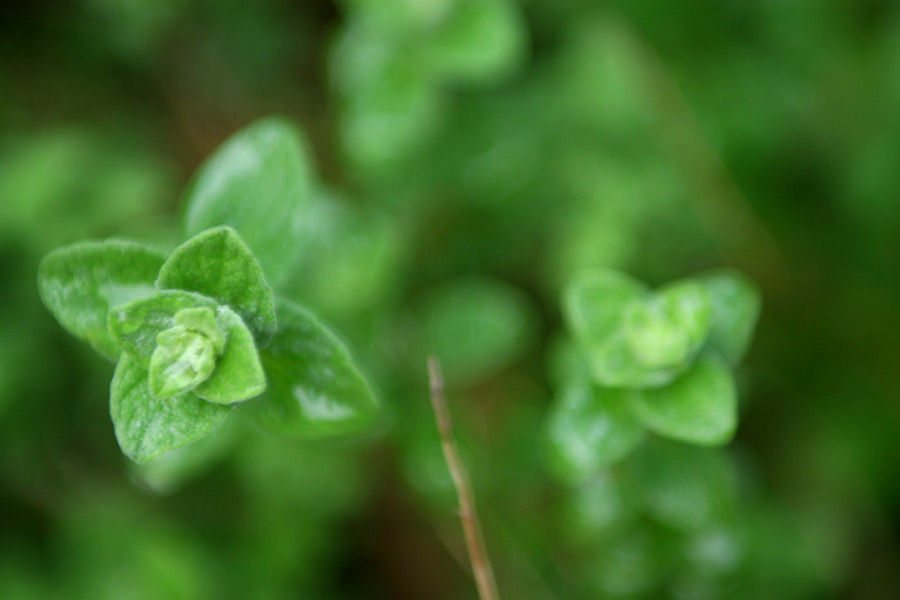
My Botanical Pharmacopoeia
Ashwagandha
Berberine
Blackberry Rubus villosus
Black Cimicifuga racemosa & Blue Cohosh
Burdock Arctium lappa
Calendula Calenula officinalis
Cayenne Capsicum annuum
Chamomile, German Matricaria recutita
Cinnamon
Clove
Comfrey Symphytum officinale
Crampbark Viburnum opulus
Dandelion Taraxacum officinale
Echinacea Echinacea purpurea
Elderberries
Fenugreek
Feverfew
Garlic
Ginger
Ginkgo Ginkgo biloba Lavender
Lemon Balm
Licorice
Marshmallow Althaea officinalis
Milk Thistle
Motherwort
Mugwort Artemisia vulgaris
Mullein Verbascum spp.
Nettle Urtica spp
Oat Avena fatua (wild) or Avena sativa (cultivated)
Oregano
Peppermint Mentha piperita
Pine Bark
Plaintain Plantago lanceolata or P. major
Red Raspberry Leaf
Red Yeast Rice
Reishi mushrooms Ganoderma lucidum
Sage
Saw Palmetto Serenoa serrulata
Siberian Ginseng Eleuthrococcus senticosus
Slippery Elm
St. John's Wort Hypericum perforatum
Turmeric
Uva Ursi
Valerian Valeriana officinalis
Vitex Vitex agnus-castus
White Peony
Willow Salix alba
What are your favorite herbs? Which do you grow in your garden? Which do you forage? And if a practicing herbalist, which do you more often use in your clinical practice?

Comments